From Seed to Shelf: How Legal Cannabis Moves Through the Supply Chain
⸻
What Is the Cannabis Seed-to-Shelf Process?
In the legal cannabis industry, “seed to shelf” describes the journey a cannabis product takes—from the moment a seed is planted until it’s sold to a consumer. Every step is monitored, tested, and recorded to ensure quality, traceability, and regulatory compliance.
States with legalized medical or adult-use cannabis require licensed businesses to follow strict rules for growing, processing, transporting, and selling cannabis. These rules vary by jurisdiction, but they all aim to eliminate diversion to the black market and ensure consumer safety.
⸻
The 5 Core Stages of the Legal Cannabis Supply Chain
Whether you’re in Oklahoma or California, cannabis distribution typically flows through the following stages:
• Cultivation: Cannabis is grown under regulated conditions. This includes indoor, greenhouse, or outdoor facilities depending on state allowances.
• Harvest & Processing: Plants are trimmed, dried, and tested for potency and contaminants.
• Manufacturing: Flower is either packaged or processed into concentrates, edibles, tinctures, or topicals.
• Distribution & Transportation: Products are moved by licensed entities—either third-party transporters or vertically integrated license holders.
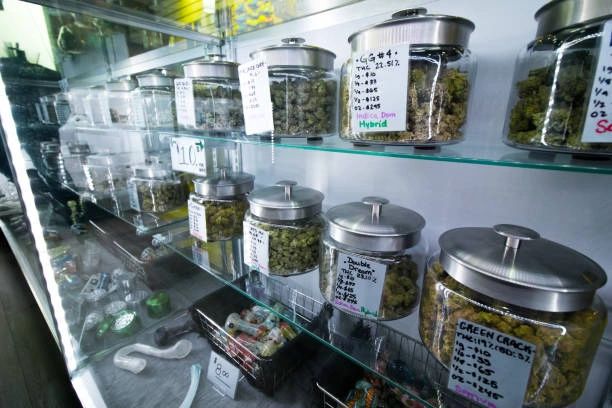
• Retail Sale: Finished goods are sold at licensed dispensaries, with final sales logged in a state’s seed-to-sale tracking system like Metrc or BioTrack.
⸻
Cannabis Distribution: How It Varies by State
Each legal state has developed its own approach to cannabis distribution. Here’s a breakdown of major cannabis states, their transportation requirements, and compliance systems.
⸻
Oklahoma – Open Distribution Structure
• Program Type: Medical
• Distribution Model: Businesses can self-distribute; no third-party distributor license required.
• Tracking System: Metrc
• Unique Feature: Extremely low entry barriers. Cannabis companies can hold multiple licenses (grower, processor, transporter, dispensary) and manage their full supply chain.
Transport Requirements:
• Manifest must be generated in Metrc.
• Vehicles must be unmarked, lockable, and operated by licensed employees.
• No cannabis should be visible from outside the vehicle.
SEO Tip: Include keywords like Oklahoma cannabis compliance, Oklahoma dispensary transport, and Oklahoma seed to sale for targeted traffic.
⸻
California – Mandatory Third-Party Distribution
• Program Type: Medical & Adult-Use
• Distribution Model: Cannabis must pass through a licensed distributor before retail.
• Tracking System: Metrc
Distributor Responsibilities:
• Arrange lab testing
• Collect and remit excise tax
• Verify packaging and labeling compliance
This adds a layer of accountability, but also cost. California’s model is highly regulated to prevent illicit market diversion and protect consumers.
⸻
Colorado – Flexible but Fully Tracked
• Program Type: Medical & Adult-Use
• Distribution Model: Cultivators and manufacturers may transport their own product or use third-party delivery services.
• Tracking System: Metrc
Key Features:
• All inventory must be tagged with RFID.
• Transfers between facilities must be recorded with detailed manifests.
• Dispensaries must report all incoming and outgoing inventory.
⸻
Arizona – Hybrid Model
• Program Type: Medical & Adult-Use
• Distribution Model: Licensed cannabis operators can transport their own products.
• Tracking System: Metrc
Arizona allows transport between licensees as long as it is logged in Metrc and handled by authorized employees. Delivery vehicles must be tracked and follow security protocols outlined by the Arizona Department of Health Services.
⸻
Nevada – Secure Transport Standards
• Program Type: Medical & Adult-Use
• Distribution Model: Licensed cannabis businesses can transport their own products under specific rules.
• Tracking System: Metrc
Requirements:
• Vehicles must be equipped with GPS tracking and locked storage compartments.
• All cannabis must be pre-packaged and labeled before transit.
• Manifest must be approved in Metrc before leaving the facility.
⸻
Illinois – Secure Transportation License Required
• Program Type: Medical & Adult-Use
• Distribution Model: Requires licensed transporters separate from cultivators and retailers.
• Tracking System: BioTrack (transitioning to Metrc in 2025)
Only Secure Transport licensees can legally move cannabis from growers to dispensaries. These transporters must:
• Use GPS-tracked, unmarked vehicles
• Follow detailed chain-of-custody procedures
• Submit travel manifests in advance
⸻
New York – New but Structured
• Program Type: Adult-Use (launched 2023)
• Distribution Model: Third-party licensed distributors are required.
• Tracking System: BioTrack
Current Status:
• New York’s market is still ramping up, but the structure is modeled after California, with strict social equity and distribution checkpoints.
• All products must pass through an independent distributor who handles testing and packaging verification.
⸻
Missouri – Vertical Distribution Allowed
• Program Type: Medical & Adult-Use
• Distribution Model: Vertical integration is allowed, but many use third-party logistics companies.
• Tracking System: Metrc
Dispensaries, manufacturers, and cultivators can all be owned by the same company in Missouri. Still, secure transport and proper documentation are required.
⸻
Massachusetts – Independent Transporters Required
• Program Type: Medical & Adult-Use
• Distribution Model: Products must be moved by a licensed marijuana transporter.
• Tracking System: Metrc
Transport vehicles must:
• Be equipped with GPS
• Store products in locked compartments
• Be staffed by licensed employees with IDs
⸻
Why Distribution Strategy Matters for Cannabis Operators
Your distribution model affects everything from profit margins to time to market. Here’s why understanding this step is crucial:
• Compliance: Improper transport or missing manifests can lead to hefty fines or license suspension.
• Timing: Delays in distribution cause product loss—especially with perishable formats like fresh frozen.
• Testing: In many states, distributors are responsible for coordinating lab tests before products reach retail.
• Security: Licensed vehicles and routes reduce theft, loss, or damage during transport.
⸻
Tools That Power Compliance: Metrc and BioTrack
Most states require seed-to-sale tracking using software like Metrc (used in OK, CA, MI, CO, MA) or BioTrack (used in NY, IL, and others). These platforms log:
• When a seed is planted
• When it’s harvested and weighed
• When it’s transferred for extraction or packaging
• When it’s sold to a dispensary
• When a consumer buys it
Failing to report these steps correctly can trigger audits, recalls, or full license revocation.
⸻
How Genius Buds Helps Cannabis Businesses Stay Compliant
Navigating the cannabis supply chain can be overwhelming, especially for new operators entering regulated markets like Oklahoma, California, or New York. At Genius Buds, we provide:
• Compliance consulting for multi-state operators
• Seed-to-sale system onboarding (Metrc training, SOP creation)
• Distribution strategy support tailored to your state
• Audit-prepared SOPs for cultivators, processors, and dispensaries
⸻
Final Thoughts: Build for Scale, Stay Compliant
Whether you’re vertically integrated in Oklahoma or relying on secure transport in Illinois, mastering cannabis distribution is essential for growth. The “seed to shelf” journey is not just about moving product—it’s about accountability, transparency, and building a business that survives audits and earns consumer trust.
As regulations tighten and federal reform looms, cannabis logistics will only become more complex. Brands that build smart distribution systems now will lead the market tomorrow.