As the legal cannabis industry scales to meet rising consumer demand, a critical conversation is taking place among growers, regulators, and advocates alike: How can we cultivate cannabis without compromising the environment?
In 2025, sustainable cannabis cultivation is no longer just a trend—it’s a necessity. From excessive water use to high energy consumption and chemical-heavy pest control, traditional cannabis farming practices have raised environmental concerns across the country. Fortunately, a new wave of eco-conscious cultivators is leading the way with smarter, cleaner, and more efficient methods of growing.
This article explores sustainable cultivation practices, how they vary by state, and why going green can actually boost your brand and bottom line.
The Environmental Cost of Cannabis Farming
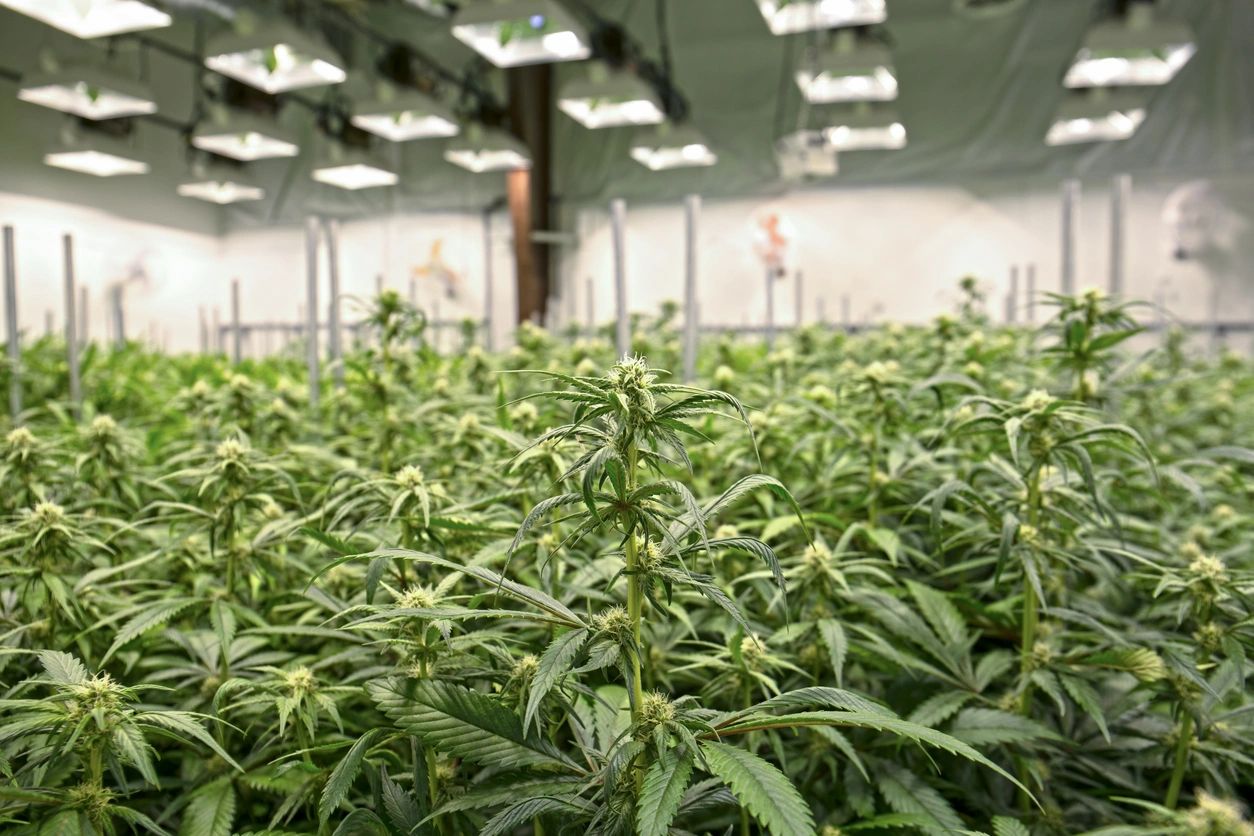
Cannabis is a resource-intensive crop. Indoor cultivation operations often consume large amounts of electricity to power lighting, HVAC systems, and dehumidifiers. Outdoor and greenhouse grows face their own issues, such as water usage, soil degradation, and runoff contamination from synthetic fertilizers and pesticides.
According to data from energy regulators, indoor cannabis grows can use up to 2,000 watts per square meter, rivaling the electricity consumption of server farms. Meanwhile, water use for cannabis cultivation is estimated at upwards of six gallons per plant per day in some regions—especially concerning in drought-prone states like California.
Without intervention, these environmental impacts threaten the industry’s long-term viability and increase scrutiny from regulators and local communities.
Embracing Organic and Regenerative Cultivation
One of the most impactful shifts in eco-friendly cannabis farming is the move toward organic and regenerative growing practices. These systems prioritize soil health, biodiversity, and chemical-free pest management.
In states like Oregon and Colorado, where outdoor cultivation is common, growers are using living soil systems that rely on natural microbes and compost to feed plants. These organic inputs eliminate the need for synthetic fertilizers and reduce chemical runoff into local waterways.
Regenerative cannabis farming goes a step further, using cover cropping, companion planting, and minimal tillage to improve soil health and carbon capture over time. The result is not just better for the planet—it can also produce more flavorful and terpene-rich flower, making it a favorite among connoisseur consumers.
Water Conservation Strategies in Cultivation
Water use regulations vary by state, but conservation is universally critical—especially in areas like California, Arizona, and Nevada where drought conditions are common. Cannabis growers are increasingly turning to closed-loop irrigation systems, drip irrigation, and rainwater harvesting to minimize waste.
Drip irrigation systems, for example, deliver water directly to the plant’s root zone, reducing evaporation and runoff. Some growers in Oklahoma and Michigan are also investing in reverse osmosis filtration and nutrient recirculation systems to optimize water reuse.
In states like Washington, growers must register their water use and adhere to strict Department of Ecology guidelines. Investing in smart irrigation tech not only reduces your environmental impact but can also help you stay compliant with local regulations.
Energy Efficiency and Lighting Solutions
For indoor cultivators, energy efficiency is the foundation of sustainable cannabis cultivation. The days of energy-guzzling HPS lights are fading, replaced by LED grow lights that reduce electricity usage by up to 60% while emitting less heat.
States like Massachusetts and Illinois require cultivators to meet specific energy efficiency standards, including limits on lighting power density (LPD). In Colorado, businesses can qualify for utility rebates by upgrading to LED lighting or using solar panels to offset power consumption.
In addition to lighting, smart environmental controls such as automated climate systems, CO2 sensors, and programmable dehumidifiers can drastically improve grow room efficiency. These tools help maintain optimal plant conditions without overworking your HVAC system—cutting costs and emissions in the process.
Integrated Pest Management (IPM) and Natural Alternatives
Many states have banned certain pesticides and fungicides commonly used in other industries, prompting cannabis growers to adopt Integrated Pest Management (IPM)—a holistic approach that minimizes chemical use.
IPM techniques include:
- Regular pest scouting and monitoring
- Using beneficial insects (like ladybugs or predatory mites)
- Employing neem oil, rosemary oil, and other natural deterrents
- Environmental adjustments (humidity, air flow) to prevent mold or mildew
In California, strict pesticide regulations have pushed cultivators to be highly transparent with product testing. Embracing IPM helps growers pass testing with flying colors while avoiding environmental harm.
Waste Management and Packaging Sustainability
Cultivators also contribute to cannabis waste—everything from trimmed leaves and root balls to nutrient packaging and plastic grow pots. States like Massachusetts and Colorado require that cannabis waste be rendered unusable and tracked through secure disposal methods.
Sustainable growers are getting creative by:
- Composting green waste on-site
- Switching to biodegradable grow media
- Using reusable pots and cultivation trays
Even packaging is getting a sustainable facelift. Brands committed to low-impact cannabis packaging are using recyclable, post-consumer materials and cutting back on excessive plastic.
The Business Case for Going Green
Sustainability isn’t just good ethics—it’s good business. Today’s cannabis consumers, especially Gen Z and millennial buyers, are increasingly eco-conscious. Brands that highlight sustainable growing methods on their packaging and marketing are better positioned to stand out in a saturated market.
Retailers in states like California and Michigan now seek out farm partners that practice organic cultivation, water conservation, and energy-efficient operations. These partnerships lead to better shelf placement, stronger brand stories, and deeper consumer loyalty.
In addition, several states offer tax credits, grants, or rebates for businesses that invest in green technologies—from solar panels to water-saving equipment.
Growing Toward a Greener Future
As cannabis continues to normalize across the United States, sustainability will become a key metric of success. Regulators will tighten environmental standards, consumers will demand cleaner products, and brands that cut corners will fall behind.
For cannabis cultivators in 2025, embracing sustainable practices isn’t optional—it’s an investment in the future. Whether you’re building out a new indoor facility in Oklahoma City or expanding an outdoor farm in Northern California, the tools to grow greener are already here.
At Genius Buds, we help cultivators implement sustainability strategies that meet state requirements and elevate your brand. From eco-compliance audits to energy-efficient grow designs, we’re here to guide you toward a cleaner, smarter cannabis operation.