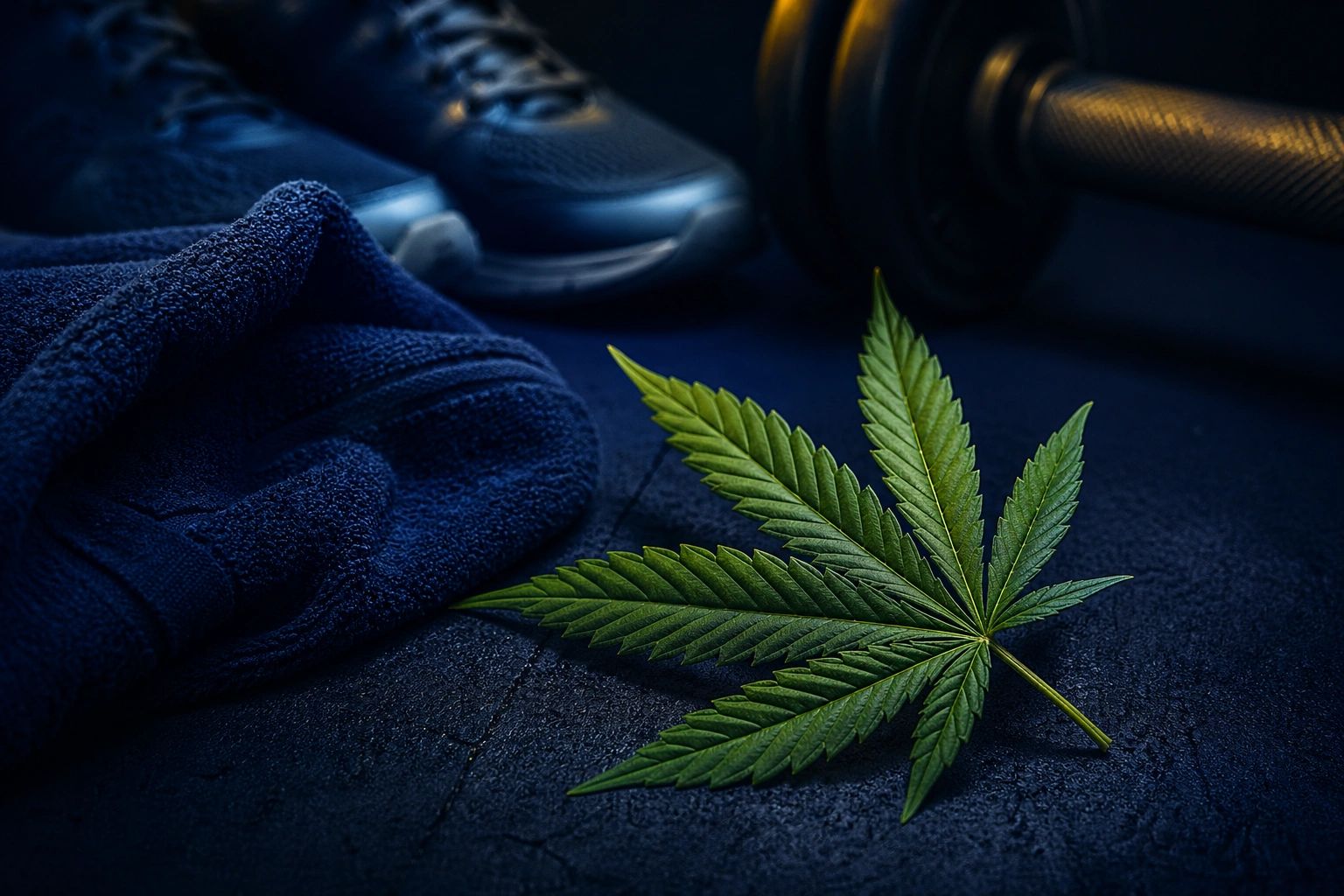
Something is shifting in the world of sports and athletic performance, and it is happening faster than most people expected. Athletes at every level, from weekend warriors hitting the gym after work to professional competitors performing at the highest levels of their sport, are increasingly incorporating cannabis and CBD into their recovery routines. Not for recreation. Not for a high. For recovery, pain management, sleep, and the kind of physical restoration that allows the body to perform at its best day after day.
This shift did not happen by accident. It happened because athletes are pragmatic people who care deeply about what works, and a growing number of them are finding that cannabis for recovery works in ways that other approaches simply do not. The science is catching up to the experience, and the conversation in locker rooms, training facilities, and wellness communities is changing as a result.
This article breaks down why athletes are turning to cannabis, what the research says, how different cannabis compounds support the specific physical demands of athletic life, and what you need to know if you are an active person considering cannabis as part of your own recovery toolkit.
Why Athletic Recovery Is So Complicated
To understand why cannabis is resonating so strongly with athletes, it helps to understand what recovery actually involves and why it is one of the most challenging aspects of any serious training program.
When you exercise, particularly at high intensity, you are creating controlled damage in your body. Muscle fibers tear at a microscopic level, inflammation floods the affected tissue, the nervous system experiences significant stress, and the body's energy systems are depleted. Recovery is the process by which the body repairs all of that damage, rebuilds stronger than before, and restores the nervous system to baseline so you can perform again.
The quality of your recovery directly determines the quality of your performance. Athletes who recover poorly train poorly, perform poorly, and get injured more frequently. The challenge is that the most effective recovery tools available, particularly pharmaceutical pain relievers and sleep medications, come with side effects, dependency risks, and in many cases restrictions under anti-doping rules that make them difficult or impossible to use in competitive contexts.
This is the gap that cannabis, and particularly CBD, has stepped into for a growing number of athletes. It addresses multiple aspects of recovery simultaneously, including inflammation, pain, sleep quality, and nervous system restoration, without the side effects associated with pharmaceutical alternatives.
CBD and the World Anti-Doping Agency
One of the most significant moments in the relationship between cannabis and athletics came in 2018 when the World Anti-Doping Agency removed CBD from its list of prohibited substances. This was a landmark decision that opened the door for professional and competitive athletes in sports governed by WADA rules to incorporate CBD into their recovery protocols without risking their eligibility.
It is important to note that THC remains on the WADA prohibited list during competition, though the threshold for a positive test was raised in 2023, reflecting a growing recognition that out-of-competition cannabis use should be treated differently than in-competition use. For competitive athletes, understanding the specific anti-doping rules of their sport and governing body remains essential before incorporating any cannabis product into their routine.
For recreational athletes and fitness enthusiasts who are not subject to anti-doping rules, this distinction matters less. The full range of cannabis products, including those containing THC, are available as recovery tools in legal states without eligibility concerns.
Cannabis for Muscle Recovery and Soreness
Delayed onset muscle soreness, commonly known as DOMS, is one of the most familiar experiences in athletic life. That deep aching soreness that sets in 24 to 48 hours after an intense workout is the result of the inflammatory response to muscle fiber damage, and it can significantly limit training frequency and quality if not managed effectively.
CBD for muscle recovery has generated substantial interest in the athletic community because of its documented anti-inflammatory properties and its ability to modulate pain perception through the endocannabinoid system. By reducing the inflammatory response in damaged muscle tissue and lowering the sensitivity of pain receptors, CBD may help reduce the severity and duration of DOMS, allowing athletes to return to training sooner and with more capacity.
Cannabis topicals including balms, creams, and roll-ons applied directly to sore muscle groups have become particularly popular among athletes for this purpose. Topical application delivers cannabinoids directly to the affected tissue through the skin, providing localized anti-inflammatory and analgesic effects without any systemic psychoactive effect. For athletes who need to train or compete while managing soreness, topicals offer targeted relief that does not interfere with mental clarity or physical coordination.
Full spectrum CBD tinctures and capsules taken orally provide more systemic support for whole body inflammation and recovery. For athletes managing overall training load and cumulative fatigue across a season or training block, daily oral CBD as part of a comprehensive recovery protocol has become a common approach.
Cannabis and Sleep: The Most Underrated Recovery Tool
If there is one area where cannabis for athletic recovery has the most compelling case, it is sleep. Sleep is not just important for athletes, it is arguably the single most powerful recovery tool available. During deep sleep stages the body releases growth hormone, repairs damaged tissue, consolidates motor learning, and restores the nervous system. Even one night of poor sleep measurably impairs athletic performance, reaction time, decision making, and injury risk.
Yet sleep is also one of the areas where athletes struggle most. The physical and psychological stress of training and competition, travel across time zones, pre-competition anxiety, and the physical discomfort of training-related soreness all conspire to disrupt the sleep that athletes need most.
CBD for sleep in athletes works primarily through its anxiety-reducing and pain-relieving properties. By reducing the physical discomfort and mental restlessness that keep athletes awake, CBD can help create the conditions for more natural, higher quality sleep onset without the dependency risks or performance-impairing effects of pharmaceutical sleep aids. Many athletes report that a CBD tincture or capsule taken 30 to 60 minutes before bed meaningfully improves both their ability to fall asleep and the quality of their sleep throughout the night.
CBN, a minor cannabinoid with mild sedative properties, is increasingly appearing in sleep-specific cannabis formulations and has generated interest among athletes looking for more targeted sleep support. Products combining CBD and CBN for nighttime recovery use represent one of the most interesting developments in the cannabis wellness market for athletic applications.
For athletes in legal states who are not subject to anti-doping rules, low-dose THC before sleep can also contribute meaningfully to sleep quality by reducing the time it takes to fall asleep and increasing time spent in certain sleep stages. The key, as always with THC, is starting with a very low dose and understanding individual response before increasing.
Cannabis and the Nervous System: Beyond Muscles and Joints
One of the less discussed but genuinely important aspects of cannabis for athletic recovery is its effect on the nervous system. Intense training does not just stress muscles and joints. It places significant demands on the central and peripheral nervous system, and nervous system fatigue is a real and underappreciated factor in athletic performance decline and overtraining syndrome.
The endocannabinoid system has extensive reach throughout the nervous system, and cannabis compounds interact with it in ways that may support nervous system recovery alongside physical tissue recovery. The stress-reducing and anxiolytic properties of CBD are particularly relevant here. Chronic training stress activates the same physiological pathways as psychological stress, elevating cortisol and maintaining the nervous system in a state of heightened activation that is difficult to down-regulate without deliberate intervention.
CBD's documented ability to reduce cortisol levels and promote parasympathetic nervous system activity, which is the rest and digest mode that counterbalances the fight-or-flight stress response, makes it a genuinely useful tool for athletes trying to manage training stress and avoid the burnout and overtraining that derail so many serious athletes.
Pain Management Without the Risks
Pain management is one of the most challenging aspects of athletic life, and it is one of the areas where the existing pharmaceutical options carry the most significant risks. NSAID use in athletes is associated with gastrointestinal damage, kidney stress, and potentially impaired muscle protein synthesis when used chronically. Opioid pain management carries dependency risks that have had devastating consequences for many athletes over the years.
Cannabis for pain management in athletes offers a different risk profile. CBD has documented analgesic properties without addiction potential, gastrointestinal damage, or kidney stress. Low-dose THC has demonstrated meaningful pain relief in multiple clinical contexts and has been particularly studied in the context of neuropathic pain, which is common among athletes managing nerve-related injuries.
The anti-inflammatory and analgesic properties of cannabis terpenes also contribute meaningfully to pain management in athletic contexts. Caryophyllene, which binds directly to CB2 receptors, myrcene, which has documented muscle relaxing properties, and pinene, which has anti-inflammatory and bronchodilatory effects, are all terpenes to look for in cannabis products specifically chosen for pain management and physical recovery.
Practical Guidance for Athletes Considering Cannabis
If you are an active person or athlete considering cannabis for recovery, a few practical principles apply regardless of your sport, fitness level, or experience with cannabis.
Start with CBD before introducing THC. CBD-dominant products and full spectrum hemp-derived CBD give you access to the anti-inflammatory, analgesic, and sleep-supporting properties of cannabis without psychoactive effects, making them the most accessible and lowest-risk entry point for athletes new to cannabis wellness.
Timing matters significantly. CBD tinctures taken 30 to 60 minutes before bed support sleep recovery. Topicals applied immediately after training can help manage acute soreness and inflammation at the site of stress. Oral CBD taken daily as part of a recovery supplement routine supports systemic inflammation management over time.
Product quality is non-negotiable. Look for cannabis products from licensed dispensaries or reputable hemp CBD brands that provide third party Certificates of Analysis confirming cannabinoid content and the absence of contaminants. The cannabis market varies enormously in quality and an unverified product is not worth the risk to your health or your performance.
Know your sport's rules. If you compete in any organized sport with anti-doping provisions, understand exactly what is and is not permitted before incorporating any cannabis product. While CBD is widely permitted, THC regulations vary by sport and governing body.
The Bottom Line on Cannabis and Athletic Recovery
The conversation around cannabis for athletic recovery has moved well beyond the cultural stereotypes that once dominated it. Athletes are pragmatic, results-oriented people, and the growing adoption of cannabis across athletic communities at every level reflects a genuine finding that it works. For inflammation, for soreness, for sleep, for nervous system recovery, and for pain management, cannabis offers a natural, multi-targeted approach that fits the complex demands of athletic life in ways that few other single interventions can match.
The research is still growing, particularly as federal rescheduling opens new doors for clinical study, but the direction is clear. Cannabis has a legitimate and evidence-informed role in athletic recovery, and athletes who educate themselves about how to use it effectively are adding a genuinely valuable tool to their performance toolkit.
At Genius Buds we believe every athlete deserves access to honest, science-backed cannabis education. Visit our Learn section at geniusbuds.com/learn for more resources built for real people with real performance and wellness goals.
This article is for educational purposes only and does not constitute medical advice. Always consult a licensed healthcare professional before making any health or wellness decisions. If you compete in organized sport, consult your sport's anti-doping guidelines before using any cannabis product.