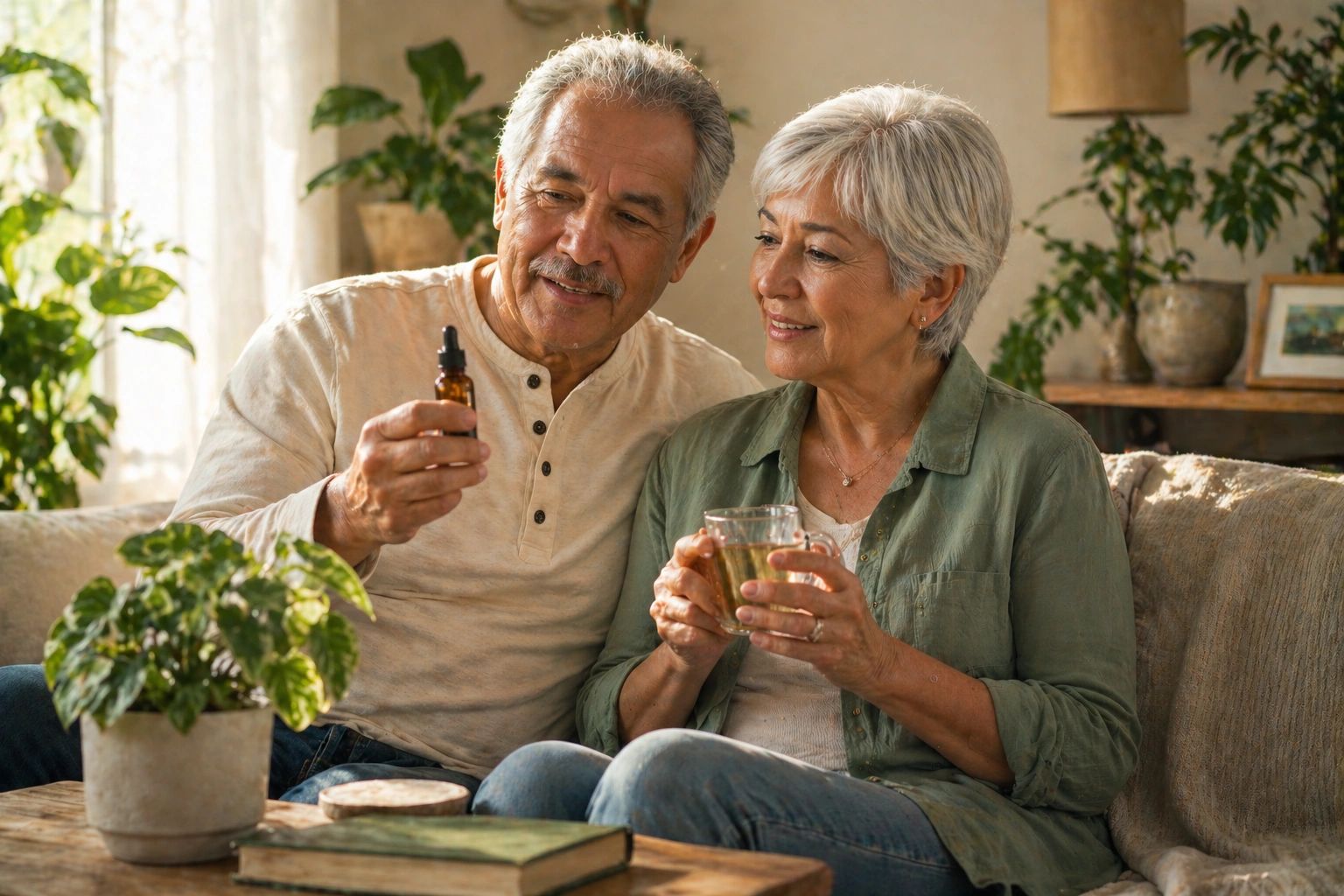
Cannabis for older adults has become one of the most important and least talked about conversations in both the wellness world and the cannabis industry. While the cultural image of a cannabis consumer has historically skewed young, the reality of who is actually turning to cannabis for health and wellness support tells a very different story. Seniors are now one of the fastest growing demographics in medical cannabis use across the country, and the reasons why are grounded in practical health needs rather than recreation.
According to the White House executive order on cannabis research issued in December 2025, nearly 15 percent of seniors in the United States reported using CBD in the past year. That number continues to rise as more older adults, their adult children, and their healthcare providers begin to take cannabis seriously as a wellness tool. If you are a senior exploring cannabis for the first time, a family member trying to understand your loved one's choices, or a caregiver looking for more options, this guide was written for you.
Why Older Adults Are Turning to Cannabis
The health challenges that come with aging are well documented. Chronic pain, arthritis, disrupted sleep, anxiety, reduced appetite, and neurological conditions are among the most common issues older adults manage every single day. Many seniors have been prescribed multiple medications to address these challenges, and the side effects, drug interactions, and costs that come with polypharmacy, which is the use of multiple prescription medications simultaneously, have pushed many older adults to look for alternatives that are gentler on the body and easier to manage.
Cannabis, and particularly CBD-dominant products, has emerged as a genuine point of interest for this population for several reasons. The compounds found in cannabis interact with the endocannabinoid system, which is a biological regulatory network that exists in every human body. This system plays a role in regulating pain, inflammation, sleep, mood, and appetite, which are exactly the areas where aging adults most commonly need support. As people age, the endocannabinoid system can become less efficient, and cannabis may help support its function in ways that complement rather than replace existing medical care.
Cannabis for Chronic Pain and Arthritis in Seniors
Chronic pain is the single most common reason older adults report using cannabis, and the science behind this use is more robust than many people realize. Arthritis alone affects more than 58 million adults in the United States, with prevalence increasing significantly after age 65. For many older adults managing osteoarthritis or rheumatoid arthritis, the available pharmaceutical options carry meaningful risks including gastrointestinal damage from long-term NSAID use, dependency concerns with opioid-based pain management, and cognitive effects from certain prescription medications.
CBD for arthritis pain has been studied in both human and animal models, with results suggesting meaningful anti-inflammatory and analgesic properties. THC, even in low doses, has also demonstrated pain-relieving effects that may benefit seniors who are appropriate candidates. The key for older adults managing chronic pain is product selection and dosing strategy.
Cannabis topicals including balms, creams, and transdermal patches are particularly well suited for older adults managing localized pain from arthritis or joint inflammation. These products deliver cannabinoids directly to the affected area without entering the bloodstream in meaningful quantities, which means no psychoactive effect, no impairment, and no interaction with most oral medications. For a senior managing knee or hip arthritis, a high-quality CBD topical applied directly to the joint may provide targeted relief that fits seamlessly into an existing care routine.
For seniors who need more systemic relief, low-dose oral options including CBD tinctures and microdose edibles offer a manageable starting point. The guidance for older adults is consistent across the research: start with the lowest possible dose, allow adequate time for the body to respond, and increase gradually only as needed. For edibles in particular, this means starting with 2.5mg of THC or less and waiting a full two hours before assessing effects, since edible onset is slower and more variable than other consumption methods.
CBD for Sleep in Older Adults
Sleep disruption is another of the most commonly reported challenges among older adults, and it is one of the areas where cannabis has generated the most interest and the most promising early evidence. Age-related changes in sleep architecture, which include reduced time in deep sleep stages and more frequent nighttime waking, affect the majority of adults over 65. Poor sleep in seniors is also associated with increased risk of cognitive decline, depression, cardiovascular issues, and falls.
CBD for sleep in older adults works primarily through its anxiety-reducing and pain-relieving properties rather than through direct sedation. By reducing the physical discomfort and mental restlessness that keep many seniors awake, CBD can help create the conditions for more natural sleep onset without the dependency risks or morning grogginess associated with prescription sleep aids like benzodiazepines.
CBN, a minor cannabinoid found in aged cannabis, is also gaining significant attention in the senior wellness space specifically for sleep support. Early research and widespread anecdotal reporting suggest that CBN has mild sedative properties that complement CBD effectively in sleep-focused formulations. Many cannabis brands now offer products specifically combining CBD and CBN for nighttime use, and these represent a reasonable starting point for older adults exploring cannabis for sleep support.
Cannabis and Cognitive Health in Seniors
One of the most common concerns older adults and their families raise about cannabis is its potential impact on cognitive function. This is a legitimate question and it deserves a nuanced answer rather than a dismissive one.
High-dose THC use has been associated with short-term memory effects and cognitive impairment, and older adults are generally more sensitive to THC's psychoactive effects due to age-related changes in metabolism and receptor sensitivity. This is one of the reasons that low-dose and CBD-dominant approaches are particularly well suited for the senior population.
On the other side of that conversation, emerging research is exploring the potential neuroprotective properties of certain cannabinoids, particularly CBD and THC in very low doses. Some early stage studies have examined cannabis compounds in the context of neuroinflammation, which is a factor in conditions like Alzheimer's disease and other forms of dementia. While it would be premature to make any claims about cannabis treating or preventing cognitive decline, the research direction is one worth watching and one that is becoming easier to pursue now that cannabis has moved to Schedule III at the federal level.
For older adults who are concerned about cognitive effects, CBD-dominant products and microdose THC formulations represent the most conservative and well-tolerated approach. Avoiding high-THC products entirely is a reasonable choice for seniors new to cannabis or those with existing cognitive concerns.
Drug Interactions: The Most Important Conversation for Senior Cannabis Users
This section may be the most critical in this entire article, and it is the conversation that every older adult considering cannabis absolutely must have with their healthcare provider before starting.
Cannabis, particularly CBD, can interact with a range of commonly prescribed medications by affecting the way the liver processes certain drugs. CBD inhibits a family of liver enzymes called cytochrome P450 enzymes, which are responsible for metabolizing a significant percentage of pharmaceutical medications. When these enzymes are inhibited, drug blood levels can rise beyond intended therapeutic ranges, which can increase both effectiveness and side effect risk.
Medications that older adults should specifically discuss with their doctor before using CBD include blood thinners such as warfarin, certain antidepressants and anti-anxiety medications, some heart medications including beta blockers and calcium channel blockers, certain seizure medications, and immunosuppressants. This is not a complete list, and it is not a reason to avoid cannabis entirely. It is a reason to have an informed, open conversation with a healthcare provider who understands both your medication regimen and cannabis pharmacology.
The good news is that as cannabis becomes more mainstream and Schedule III reclassification opens the door to more clinical research, healthcare providers are becoming better equipped to have these conversations. If your current provider is not familiar with cannabis drug interactions, seeking out a provider who practices integrative or functional medicine is a reasonable step.
How Families Can Support Older Adults Exploring Cannabis
For adult children and family members of seniors considering cannabis, it is worth approaching this conversation with openness rather than judgment. Many older adults grew up during a period of significant cannabis stigma and prohibition, and making the choice to explore cannabis for wellness often involves overcoming deeply ingrained associations that have nothing to do with current medical reality.
The most supportive thing a family member can do is help research reputable dispensaries, accompany a senior to their first dispensary visit, encourage the conversation with their healthcare provider, and help them start with the most conservative and well-tolerated product options. CBD-only products, high-quality topicals, and low-dose tinctures are all appropriate starting points that carry minimal risk and a reasonable likelihood of providing the relief the senior is seeking.
Family members should also help older adults identify licensed, lab-tested products with clear Certificates of Analysis rather than purchasing from unlicensed sources where quality and cannabinoid content cannot be verified.
A Note on Non-Smoking Options for Seniors
It is worth addressing directly that smoking cannabis is generally not the recommended consumption method for older adults, particularly those managing respiratory conditions, cardiovascular issues, or compromised lung function. The good news is that the cannabis market has evolved to a point where seniors have a wide range of non-smoking options that are effective, easy to use, and appropriate for older adults.
Tinctures taken under the tongue offer precise dosing and relatively fast onset without any respiratory exposure. Capsules and gel caps provide a familiar pharmaceutical format that many seniors find comfortable. Low-dose edibles offer longer lasting effects that suit chronic pain and sleep applications. Topicals provide localized relief with no systemic effect whatsoever. Each of these formats is available at licensed dispensaries across legal states and each can be discussed with a knowledgeable budtender who can help match the right product to specific wellness goals.
The Bottom Line on Cannabis for Older Adults
Cannabis for older adults is not a fringe conversation anymore. It is a mainstream wellness discussion that is happening in senior living communities, in doctors offices, in family living rooms, and in dispensaries across the country. Seniors deserve access to accurate, stigma-free information so they can make informed decisions about whether cannabis has a role in their personal health and wellness journey.
If you are an older adult curious about cannabis, the most important steps are to talk to your healthcare provider, start with the most conservative product option available, choose licensed and lab-tested products, and give yourself time to find what works for your body. If you are a family member supporting a senior through this process, your most valuable contribution is patience, openness, and a willingness to learn alongside them.
At Genius Buds we believe that every person deserves access to honest cannabis education regardless of age, background, or prior experience with the plant. Visit our Learn section at geniusbuds.com/learn for more science-backed cannabis education built for every kind of consumer.
This article is for educational purposes only and does not constitute medical advice. Always consult a licensed healthcare professional before making any health or wellness decisions, particularly if you are managing existing health conditions or taking prescription medications.