Introduction
Tetrahydrocannabinolic acid (THCA) has emerged as a fascinating compound within the cannabis plant, garnering attention for its potential health benefits and therapeutic properties. With the passage of the 2018 Farm Bill in the United States, the legal landscape surrounding THCA underwent a significant transformation, leading to increased accessibility and popularity. In this comprehensive exploration, we delve into the origins of THCA, its distinct properties, and the implications of its newfound legality post the 2018 Farm Bill.
What is THCA?
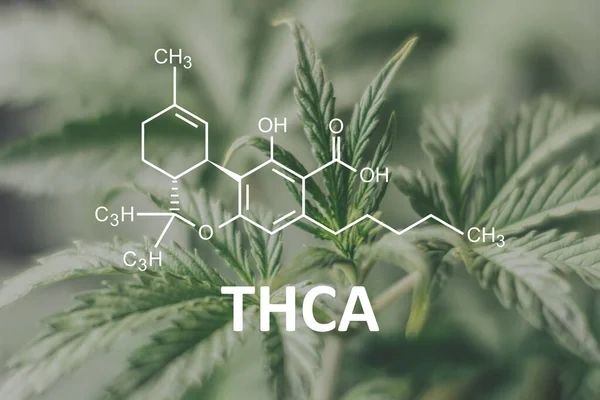
At its core, THCA is a precursor to THC, the psychoactive compound commonly associated with cannabis. Structurally, THCA is similar to THC but lacks the psychoactive effects due to the presence of a carboxylic acid group. This chemical difference is crucial, as it dictates the physiological effects of the compound.
THCA is abundantly found in the resinous glands, or trichomes, of the cannabis plant. These trichomes serve as the biochemical factories of the plant, producing an array of cannabinoids, terpenes, and flavonoids, including THCA. In its raw form, THCA does not induce intoxicating effects; however, it possesses its own unique therapeutic potential.
Origins of THCA
The history of THCA traces back to the ancient origins of cannabis cultivation, where the cannabis plant has been utilized for various purposes, including medicinal and recreational use. Throughout history, indigenous cultures recognized the therapeutic properties of cannabis, harnessing its medicinal potential for ailments ranging from pain relief to spiritual enlightenment.
The discovery of THCA can be attributed to the pioneering work of scientists who sought to unravel the chemical composition of the cannabis plant. In 1964, Dr. Raphael Mechoulam and his colleagues identified and synthesized THC, shedding light on the pharmacological properties of this psychoactive compound. Subsequent research revealed that THC originates from its precursor, THCA, which undergoes decarboxylation to produce the psychoactive effects associated with cannabis consumption.
The 2018 Farm Bill and THCA
The passage of the 2018 Farm Bill marked a significant milestone in the legalization of hemp-derived products, including THCA. By distinguishing hemp from marijuana and removing it from the list of controlled substances, the Farm Bill opened the doors for the legal production, sale, and consumption of hemp-derived products containing THCA.
This legislative shift led to a surge in popularity and accessibility of THCA products, as manufacturers capitalized on the newfound legality to develop a diverse array of offerings, from raw cannabis to tinctures and edibles. Furthermore, the Farm Bill paved the way for research institutions and entrepreneurs to explore the therapeutic potential of THCA, driving innovation and scientific inquiry in the field of cannabis science.
Benefits of THCA
Research into the potential health benefits of THCA is still in its early stages, but preliminary studies suggest promising therapeutic properties. THCA is believed to possess anti-inflammatory, neuroprotective, and antiemetic properties, making it potentially beneficial for a variety of conditions, including chronic pain, epilepsy, and nausea.
One of the most notable benefits of THCA is its ability to provide therapeutic relief without inducing intoxicating effects. Unlike THC, which can cause impairment and cognitive changes, THCA offers a non-psychoactive alternative for individuals seeking the medicinal benefits of cannabis without the associated high. This distinction is particularly significant for patients who require symptom management without compromising their cognitive function or daily activities.
Moreover, THCA may offer an alternative for individuals seeking the therapeutic benefits of cannabis without the intoxicating effects commonly associated with THC. By harnessing the medicinal properties of THCA, researchers aim to develop targeted treatments for a range of medical conditions, providing relief for patients in need.
Methods of Consumption
THCA products come in various forms, each offering distinct advantages and disadvantages. Raw cannabis, containing THCA in its natural state, can be consumed through juicing or added to smoothies for a nutrient-rich boost. This method preserves the integrity of THCA and other beneficial compounds present in the plant, providing a holistic approach to wellness.
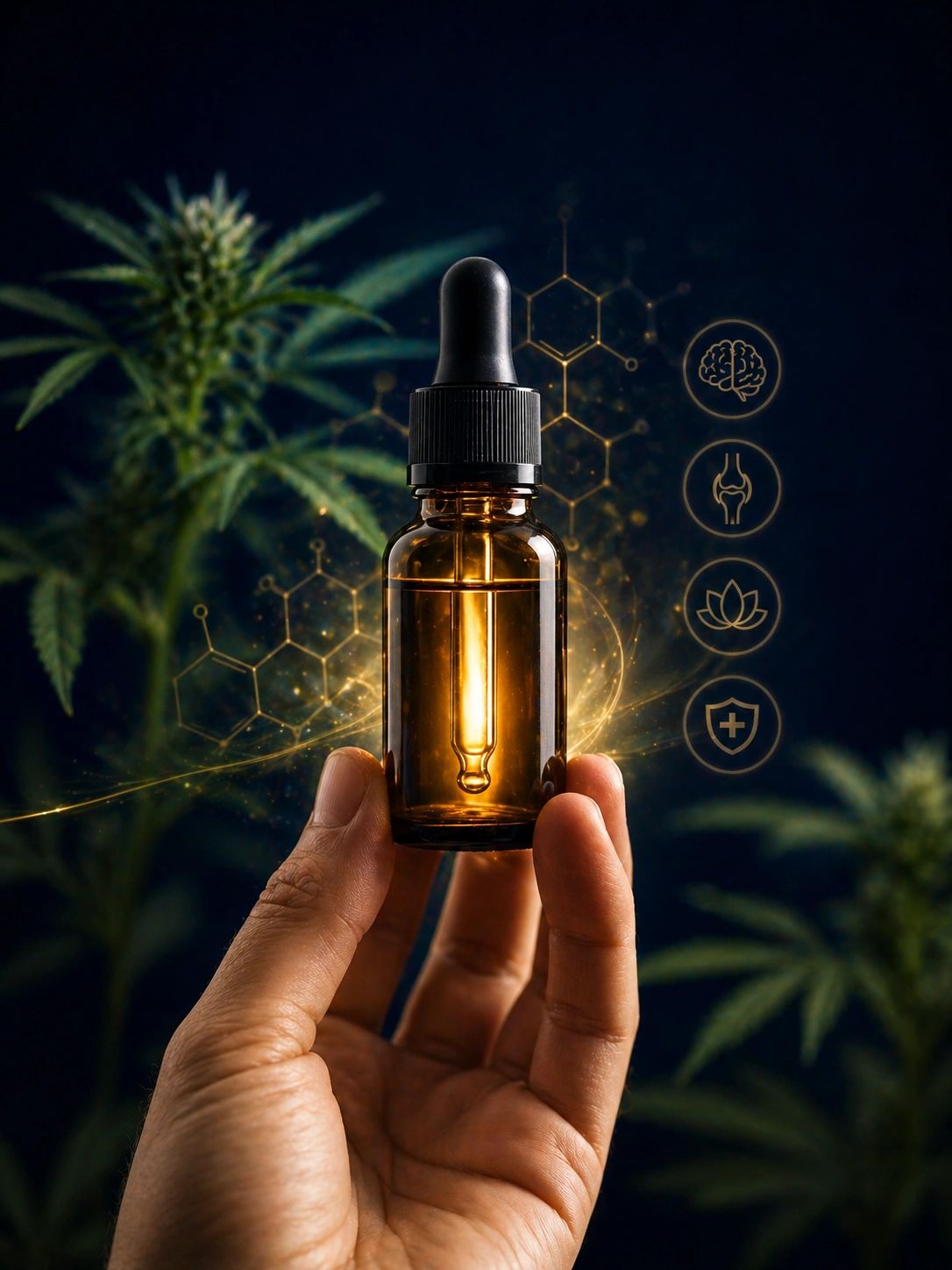
Tinctures offer a convenient and discreet option for precise dosing, allowing individuals to administer THCA sublingually or mix it with beverages for easy consumption. Edibles, such as gummies or baked goods, provide a flavorful way to incorporate THCA into one's diet, offering a prolonged and potent effect due to the digestive process.
Each method of consumption offers its own unique experience, allowing individuals to tailor their usage based on their preferences and desired outcomes. However, it's essential to exercise caution and adhere to recommended dosages to avoid adverse effects. Additionally, individuals should consider factors such as onset time, duration of effects, and bioavailability when selecting a method of consumption.
Challenges and Controversies
Despite the growing interest in THCA, challenges and controversies persist, particularly in the realm of regulation and standardization. The lack of comprehensive regulations surrounding THCA products raises concerns about quality control, dosing accuracy, and consumer safety. Inconsistent labeling practices and variations in product potency further complicate the issue, making it difficult for consumers to make informed decisions.
Furthermore, misconceptions surrounding THCA, including its legal status and psychoactive effects, contribute to the ongoing stigma associated with cannabis-derived products. Education and advocacy efforts are essential to dispel myths and promote informed decision-making regarding THCA consumption. By addressing these challenges head-on, stakeholders can work towards establishing clear guidelines and standards for THCA products, ensuring the safety and well-being of consumers.
Future Outlook
Looking ahead, the future of THCA holds promise for continued innovation and exploration. As research into the therapeutic potential of THCA advances, we can expect to see new developments in treatment options and product formulations. Furthermore, as regulatory frameworks evolve, we anticipate greater clarity and oversight within the industry, ensuring the safety and efficacy of THCA products.
Emerging trends, such as personalized medicine and precision dosing, are likely to shape the landscape of THCA consumption, enabling individuals to tailor their treatment plans to their specific needs and preferences. Additionally, collaborations between scientists, healthcare professionals, and industry stakeholders will drive progress in understanding the mechanisms of action and therapeutic applications of THCA.
In conclusion, THCA represents a compelling area of study within the realm of cannabis science, offering a glimpse into the vast potential of this versatile plant. With its origins rooted in ancient tradition and its future shaped by modern legislation, THCA stands poised to make a significant impact on the health and wellness landscape for years to come.